Introduction: The Strategic Imperative of Proper Paraphrase Citation
In the complex world of academic and professional writing, the act of paraphrasing is a cornerstone of demonstrating understanding and integrating external ideas into your own work. Yet, it often comes with a nagging question: "Am I doing this right?" The anxiety of accidental plagiarism, coupled with the rapid evolution of AI writing tools, has made mastering the art of paraphrasing and its proper citation more critical than ever. In 2026, understanding how to cite a paraphrase is not just about avoiding penalties; it's about upholding academic integrity and building professional credibility.
This comprehensive guide will demystify the process of citing paraphrased material, navigating the nuances of major citation styles (APA, MLA, Chicago) and addressing the emerging guidelines for AI-assisted writing. We will explore the fundamental principles of attribution, distinguish between the source of the idea and the tool used for phrasing, and equip you with a "Citation Mastery Guide" to ensure your work is both original and ethically sound. Discover how tools like Rephrazo can serve as your Responsible Writing Companion, helping you generate clear, distinct phrasing while reinforcing the non-negotiable step of proper attribution.
The Foundation of Academic Integrity: Why We Cite
At its core, citation is an act of intellectual honesty and respect. It acknowledges the contributions of others, allows readers to trace the origin of ideas, and strengthens your own arguments by grounding them in established research. This commitment to attribution forms the bedrock of Trustworthiness in any academic or professional endeavor.
Beyond Plagiarism: The Ethical Imperative of Attribution
While avoiding plagiarism is a primary motivation for citation, the ethical imperative extends further. Proper attribution:
- Gives Credit Where It's Due: Recognizing the intellectual labor of others.
- Builds Your Credibility: Demonstrating your engagement with existing scholarship and your ability to synthesize information responsibly.
- Enables Verification: Allowing readers to consult your sources and verify your interpretations.
- Supports the Scholarly Conversation: Contributing to the ongoing dialogue within your field by connecting your work to previous research.
Failing to cite, even unintentionally, undermines these principles and can lead to severe academic or professional consequences. Learn more about how to avoid plagiarism and maintain academic integrity.
The "Idea" vs. "Words" Distinction
A common misconception is that plagiarism only occurs when you copy someone else's exact words. However, plagiarism also encompasses presenting someone else's ideas, theories, or unique arguments as your own, even if you've rephrased them. This is the crucial "idea" vs. "words" distinction. When you paraphrase, you are using your own words to express someone else's idea. Therefore, you must still cite the original source of that idea. The act of paraphrasing transforms the language, but the intellectual property of the idea remains with the original author.
Mastering the Art of Paraphrasing: More Than Just Word Swapping
Effective paraphrasing is a skill that requires careful thought and practice. It involves more than simply replacing a few words in a sentence with synonyms. True paraphrasing demonstrates your comprehension of the source material and your ability to integrate it seamlessly into your own writing, showcasing your Expertise and Practical Application.
Quoting, Paraphrasing, and Summarizing: Key Differences
Understanding the distinct roles of quoting, paraphrasing, and summarizing is fundamental to proper source integration:
| Feature | Quoting | Paraphrasing | Summarizing |
|---|---|---|---|
| Purpose | To use exact words for impact or specific analysis. | To restate a source's idea in your own words, maintaining similar detail. | To condense a source's main ideas into a shorter form. |
| Word Count | Same as original. | Similar to original. | Significantly shorter than original. |
| Originality | None (exact words). | High (your own words, distinct structure). | High (your own words, distinct structure). |
| Citation | Always required (author, year, page/paragraph). | Always required (author, year; page/paragraph encouraged). | Always required (author, year). |
| Punctuation | Quotation marks. | No quotation marks. | No quotation marks. |
The "Look Away" Method: Crafting Original Paraphrases
A highly effective technique for avoiding accidental plagiarism (often called "patchwriting") is the "Look Away" method:
- Read the original passage carefully: Understand its full meaning.
- Put the original source away: Close the book, minimize the tab, or cover the text.
- Write the idea in your own words: Without looking at the original, explain the concept as if you were teaching it to someone else.
- Compare your paraphrase to the original: Check for any accidental similarities in phrasing or structure. Make sure your version is substantially different.
- Add your citation: Immediately attribute the idea to the original source.
This method forces you to process the information and generate truly original phrasing, enhancing your understanding and ensuring academic integrity. Tools like Rephrazo can help you refine your paraphrases while maintaining originality. Learn more about essay rewriting techniques.
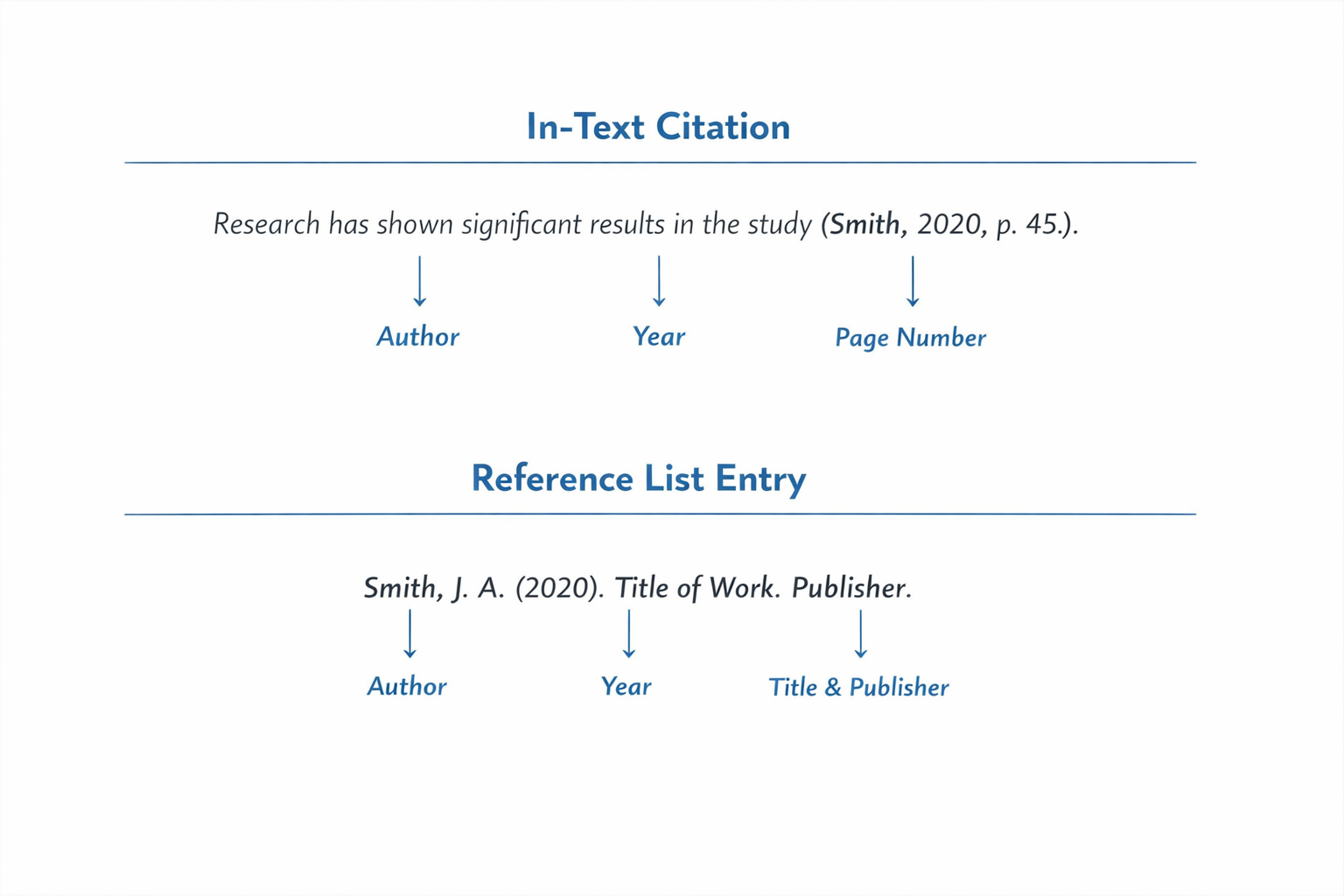
Image 1: The Anatomy of a Citation. Understanding the essential components of in-text citations and reference list entries is fundamental to proper attribution and academic integrity.
The Mechanics of Citation: A 2026 Guide to Major Styles
While the ethical principles of citation are universal, the specific mechanics vary across different academic styles. It's crucial to adhere to the guidelines prescribed by your institution or publisher. Here's a brief overview of how to cite a paraphrase in the most common styles, reflecting current (2026) standards and emerging trends.
APA (7th Edition): Citing Paraphrases
The American Psychological Association (APA) style, currently in its 7th edition, emphasizes author-date citations. When paraphrasing, you must include the author's last name and the year of publication. While not strictly required, providing a page or paragraph number is highly recommended, especially for longer works, to help readers locate the original passage.
- Parenthetical Citation: (Author, Year, p. X) or (Author, Year, para. X)
- Narrative Citation: Author (Year) states that... (p. X)
Example: (Smith, 2026, p. 42) or Smith (2026) argued that... (p. 42).
MLA (9th Edition): Citing Paraphrases
The Modern Language Association (MLA) style, with its 9th edition currently in use, focuses on author-page number citations. When paraphrasing, you must include the author's last name and the page number(s) where the original information can be found. No comma is used between the author and page number.
- Parenthetical Citation: (Author Page Number)
- Narrative Citation: Author states that... (Page Number)
Example: (Jones 115) or Jones explains that... (115).
Chicago (17th Edition): Citing Paraphrases
The Chicago Manual of Style, currently in its 17th edition, offers two main citation systems: Notes and Bibliography (for humanities) and Author-Date (for social sciences). Both require clear attribution for paraphrased material.
- Notes and Bibliography: Use footnotes or endnotes for in-text citations, with a corresponding entry in the bibliography.
- Author-Date: Similar to APA, use author's last name and year of publication in parentheses, with a full entry in the reference list. Page numbers are encouraged for specific passages.
Example (Author-Date): (Miller 2026, 78) or Miller (2026, 78) suggests that...
AI-Assisted Paraphrasing: Ethical Use and Citation in 2026
The advent of sophisticated AI writing tools, including paraphrasing and rewriting applications, has introduced new considerations for academic integrity and citation. While these tools can be powerful aids for linguistic refinement, their use demands transparency and adherence to evolving ethical guidelines. This section emphasizes Trustworthiness and Expertise in navigating this new landscape.
The "Double Attribution" Rule: Citing the Source and the Tool
A significant trend in 2026 university policies is the emergence of a "double attribution" rule for AI-assisted paraphrasing. Institutions like the University of Texas and Brown University are increasingly recommending or requiring students to cite not only the original source of the idea but also the AI tool used if it significantly contributed to the phrasing or structure of the paraphrase. This ensures full transparency regarding the generative process.
Example (General Guideline): "(Original Author, Year, as paraphrased with Rephrazo-ai)" or a footnote/endnote detailing the AI tool used.
Avoiding "AI Plagiarism" and Hallucinated Citations
Presenting AI-generated text as solely your own work, without disclosure, is now widely considered a form of academic dishonesty or "AI plagiarism." Furthermore, a critical risk with some generative AI tools is their tendency to "hallucinate" citations—creating fake references that appear legitimate but do not exist. Rephrazo, as a dedicated linguistic refinement tool, focuses on assisting with phrasing rather than generating content or sources, thereby mitigating the risk of fabricated citations.
Rephrazo: Your Responsible Writing Companion
Rephrazo is designed to be a responsible writing companion, empowering you to craft original and clear paraphrases. It assists with linguistic transformation, helping you articulate complex ideas in your own voice, but it does not replace the critical step of attribution. By using Rephrazo, you can:
- Ensure Linguistic Originality: Generate distinct phrasing that avoids accidental similarity to the source.
- Enhance Clarity and Flow: Refine your paraphrases for maximum impact and readability.
- Maintain Academic Integrity: Focus on the ethical responsibility of citing the original source, knowing your phrasing is unique.
The tool supports your journey toward academic excellence by providing the means for effective communication while reinforcing the paramount importance of proper citation. Discover how to rewrite without plagiarism while maintaining quality.
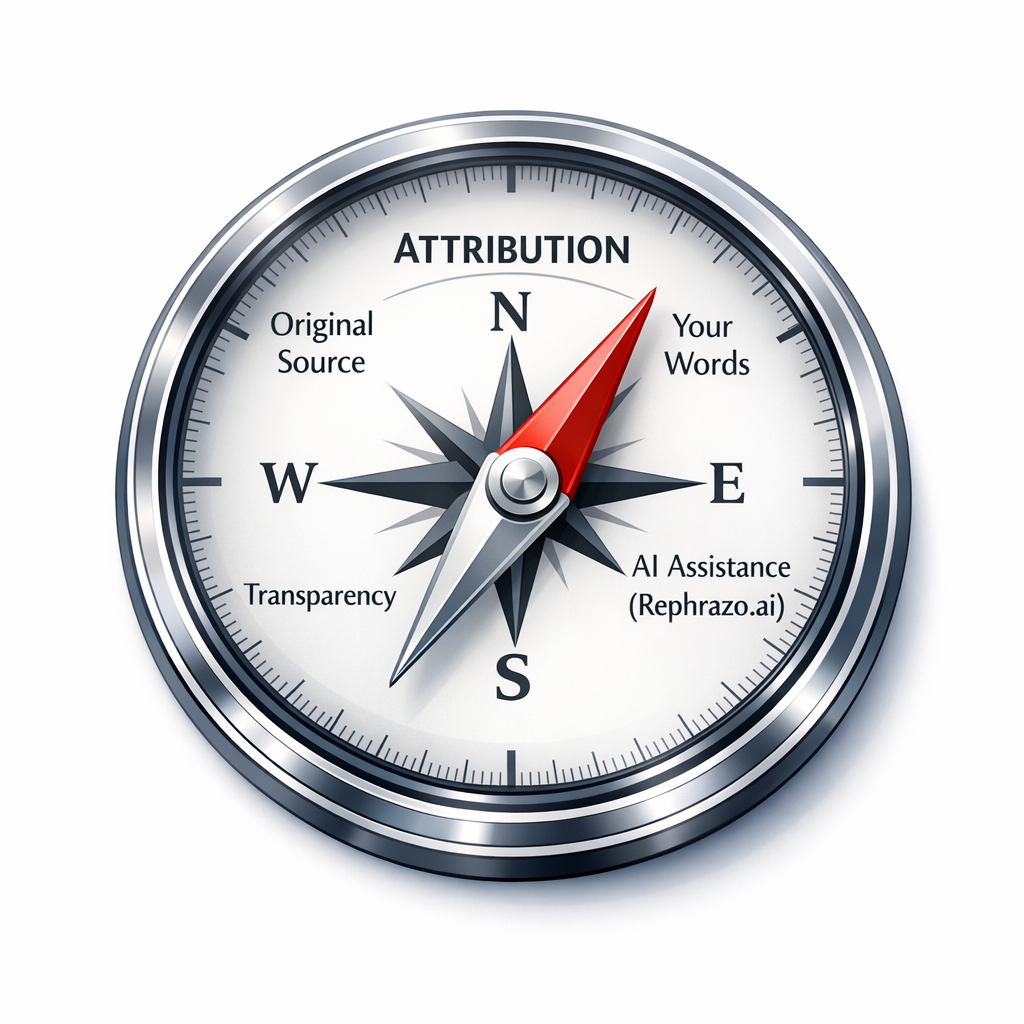
Image 2: The Ethical Writing Loop. A continuous process of research, original drafting, AI-assisted refinement, verification, and diligent citation ensures academic integrity in every piece of writing.
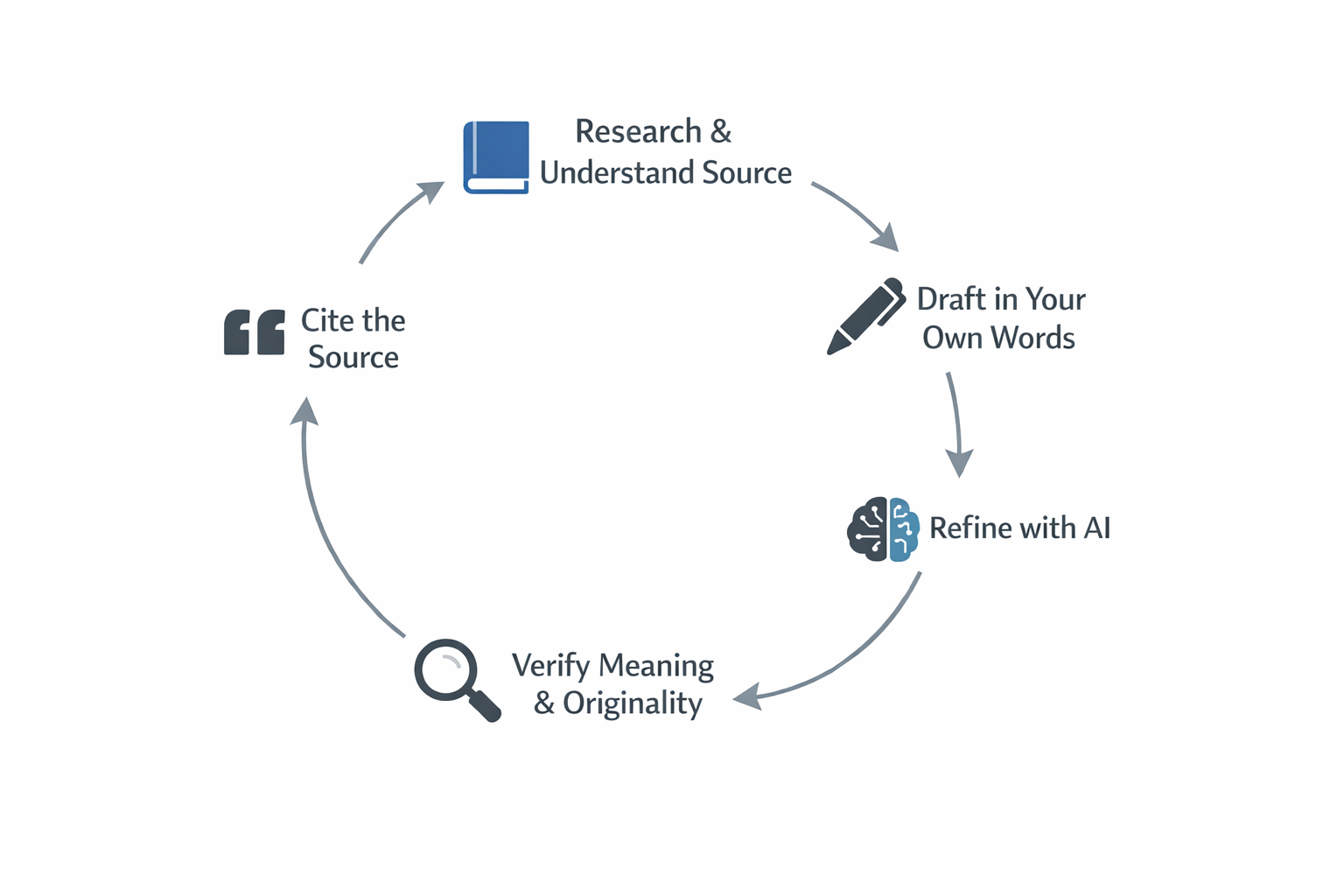
Image 3: The Attribution Compass. Navigating the complexities of paraphrasing requires a clear compass, guiding writers to always acknowledge the original source, even when using AI tools for linguistic refinement.
Frequently Asked Questions (FAQ)
Q: Do I need to cite a paraphrase if I changed all the words?
A: Yes, absolutely. When you cite a paraphrase, you're citing the idea, not just the words. Even if you've completely rephrased the source material in your own words, you must still cite the original source because the idea belongs to the original author. The key distinction is between your words (which you own) and the idea (which belongs to the source).
Q: How do I cite a paraphrase in APA style?
A: In APA style, when you cite a paraphrase, include the author's last name and the year of publication. Page numbers are highly recommended but not always required. Use parenthetical citations like (Smith, 2026, p. 42) or narrative citations like "Smith (2026) argued that..." (p. 42). For online sources without page numbers, use paragraph numbers: (Smith, 2026, para. 3).
Q: Do I need to cite AI tools when paraphrasing with them?
A: This depends on your institution's policy. Many universities in 2026 are adopting "double attribution" rules, requiring you to cite both the original source of the idea and the AI tool used for paraphrasing. Always check your institution's specific guidelines. When in doubt, err on the side of transparency and disclose AI assistance, especially if the tool significantly contributed to the phrasing or structure of your paraphrase.
Q: What's the difference between paraphrasing and summarizing when it comes to citation?
A: Both paraphrasing and summarizing require citations, but they differ in scope. When you cite a paraphrase, you're citing a specific idea or passage that you've restated in your own words at similar length. When you cite a summary, you're citing the main ideas of a longer work that you've condensed. Both require attribution, but paraphrases typically include page numbers (when available) to help readers locate the specific passage, while summaries may cite the entire work.
Q: Can I use AI tools like Rephrazo to help me paraphrase?
A: Yes, when used ethically. AI tools like Rephrazo can help you generate linguistically distinct paraphrases, but you must still cite the original source of the idea. The AI assists with phrasing, not with attribution. Always review the AI's output to ensure it accurately reflects the source's meaning, and remember that proper citation is your responsibility, regardless of the tools you use. Learn more about avoiding plagiarism and maintaining academic integrity.
Conclusion: Master the Art of Paraphrase Citation
Learning how to cite a paraphrase correctly is a fundamental skill that elevates your academic and professional writing from good to exceptional. By understanding the ethical principles of attribution, mastering citation mechanics across different styles, and navigating the complexities of AI-assisted writing, you can ensure your work maintains the highest standards of academic integrity.
The key to successful paraphrase citation lies in recognizing that you're citing ideas, not just words. Whether you're using APA, MLA, Chicago, or another style, the fundamental principle remains the same: give credit where credit is due. When using AI tools like Rephrazo, maintain transparency and always cite the original source, even as you leverage technology to enhance your linguistic expression.
Remember, citing a paraphrase isn't just about avoiding penalties—it's about participating ethically in the scholarly conversation, building your credibility, and demonstrating respect for the intellectual contributions of others. By mastering this skill, you position yourself as a responsible and trustworthy writer in any academic or professional context.
Ready to master ethical paraphrasing and citation? Download Rephrazo free and experience how responsible AI assistance can help you craft original, well-cited paraphrases. Eliminate copy-paste workflows, ensure linguistic originality, and focus on proper attribution with confidence. Explore more guides on avoiding plagiarism, plagiarism legality, and essay rewriting.