Introduction
The fear of plagiarism looms large for students and professionals alike. Whether it's the anxiety of accidentally misattributing a source, the pressure of tight deadlines leading to rushed citations, or simply a misunderstanding of what constitutes plagiarism, the desire to produce original, integrity-rich work is universal. The question, "how to not plagiarize," isn't just about avoiding penalties; it's about mastering the art of ethical scholarship and building a reputation for intellectual honesty.
As an SEO content strategist focused on Expertise, Trustworthiness, and Experience, our goal is to move beyond mere warnings and provide a proactive, actionable framework for preventing plagiarism. This guide will demystify the complexities of source integration, offer proven strategies from leading academic institutions, and demonstrate how modern tools, when used responsibly, can become powerful allies in your quest for originality. We believe that preventing plagiarism is not about fear, but about empowering writers with the knowledge and tools to confidently create work that is truly their own.
This expert guide will walk you through the nuances of intentional versus accidental plagiarism, detail the essential methods of source integration (quoting, paraphrasing, summarizing), and introduce a workflow that leverages cutting-edge AI to enhance your originality while safeguarding your intellectual property.
Understanding the Plagiarism Spectrum: Intentional vs. Accidental
Before diving into prevention strategies, it's crucial to understand the different forms plagiarism can take. While both carry serious consequences, the intent behind the act often influences the academic response. However, ignorance is rarely an excuse, making proactive understanding essential.
Intentional Plagiarism: The Clear Violation
Intentional plagiarism involves knowingly presenting someone else's work as your own. This includes:
- Submitting another person's essay or paper.
- Copying and pasting text from a source without quotation marks or citation.
- Purchasing or commissioning an essay from a paper mill.
- Colluding with others to produce work that is submitted individually.
These acts are clear violations of academic integrity and professional ethics, often leading to the most severe penalties.
Accidental Plagiarism: The Subtle Traps (Patchwriting, Misattribution)
Accidental plagiarism is far more common and often stems from carelessness, poor note-taking, or a misunderstanding of proper citation. Key forms include:
- Patchwriting: This occurs when a writer attempts to paraphrase by simply changing a few words or phrases in a source text while retaining the original sentence structure. It's often an unconscious act, but it fails to demonstrate genuine understanding and linguistic originality.
- Misattribution: Incorrectly citing a source, citing the wrong source, or failing to cite a source altogether.
- Lack of Signal Phrases: Not clearly indicating where your ideas end and a source's ideas begin, leading to confusion for the reader.
Even if unintentional, accidental plagiarism can still result in significant academic and professional repercussions. The goal, therefore, is to develop habits that eliminate these subtle traps.
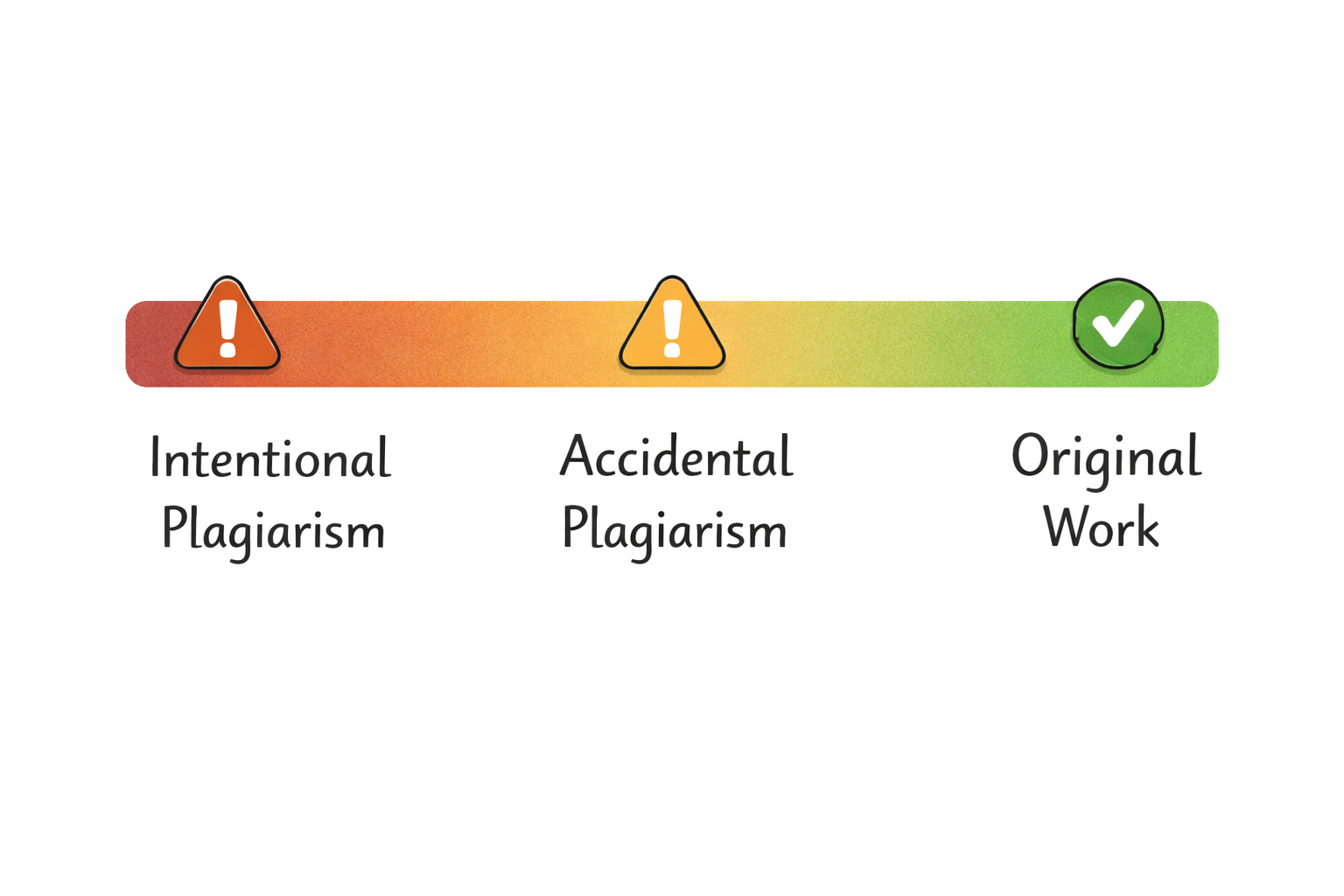
Image 1: The Plagiarism Spectrum. Understanding the Plagiarism Spectrum: From deliberate copying to unintentional errors, knowing the nuances is key to maintaining academic integrity.
The Foundation of Originality: Mastering Source Integration
The cornerstone of avoiding plagiarism lies in effectively integrating source material into your own writing. There are three primary methods, each with its own rules and best practices, that demonstrate Expertise in academic discourse.
Quoting: When and How to Use Direct Words
Direct quoting involves reproducing the exact words of a source. This method is appropriate when the original phrasing is particularly impactful, authoritative, or unique, and cannot be improved upon. Always enclose direct quotes in quotation marks and provide a precise citation (author, year, page number). Over-quoting, however, can make your writing seem like a compilation of others' ideas rather than your own analysis.
Paraphrasing: Re-explaining in Your Own Voice (The "Look Away" Method)
Paraphrasing is perhaps the most crucial skill for avoiding plagiarism. It involves restating a source's idea or information in your own words and sentence structure, while maintaining the original meaning. It is not simply swapping a few synonyms. A highly effective technique is the "Look Away" Method:
- Read the original passage carefully until you fully understand its meaning.
- Set the original text aside (look away from it).
- Write down the main ideas in your own words, without looking at the source.
- Compare your paraphrase with the original to ensure you haven't inadvertently used too much of the original phrasing or structure.
- Add a citation.
This method forces you to process the information intellectually before re-expressing it, significantly reducing the risk of patchwriting.
Summarizing: Condensing Main Ideas
Summarizing involves condensing the main ideas of a longer passage or entire work into a much shorter form, using your own words. Like paraphrasing, it requires a deep understanding of the source material and must always be cited. Summaries are useful for providing background information or giving an overview of a complex argument without getting bogged down in details.
The table below outlines when to use each method:
| Method | Purpose | Key Characteristics | Risk of Plagiarism (If Misused) |
|---|---|---|---|
| Quoting | Reproduce exact words for impact/analysis. | Exact words, quotation marks, precise citation. | High (if not cited or overused). |
| Paraphrasing | Re-explain source idea in your own words. | Original phrasing, similar length, citation. | Moderate (if too close to source phrasing). |
| Summarizing | Condense main ideas of a source. | Significantly shorter, original phrasing, citation. | Low (if done correctly). |
Proactive Strategies: Building a Plagiarism-Proof Workflow
Beyond understanding the types of source integration, developing a robust, proactive workflow is essential for consistently producing original work. These strategies are born from Experience and are designed to build Trustworthiness into your writing process from the ground up.
Effective Note-Taking: The First Line of Defense
Plagiarism often begins with poor note-taking. From the very start of your research, clearly distinguish between your own thoughts, direct quotes (marked with quotation marks), and paraphrased ideas (marked with a clear source). Use a consistent system, whether it's a digital reference manager or a physical notebook, to record full bibliographic information for every source. This prevents the late-night scramble to find a lost citation.
Citing as You Write: Preventing Last-Minute Errors
Don't wait until the end of your drafting process to add citations. As soon as you incorporate an idea or phrase from a source, add the in-text citation. This habit ensures that no source is forgotten and reinforces the connection between the idea and its origin. It also makes the final bibliography much easier to compile.
The Critical Review: Your Final Check for Originality
Before submitting any work, conduct a thorough self-review. Read your paper specifically looking for instances where you might have inadvertently used language too similar to a source. Ask yourself:
- Is every idea that isn't my own properly attributed?
- Are all direct quotes enclosed in quotation marks?
- Do my paraphrases genuinely re-explain the source in my own words, or are they too close to the original?
- Is my own voice and analysis dominant throughout the paper?
This final, critical step is where your Trustworthiness is ultimately affirmed.
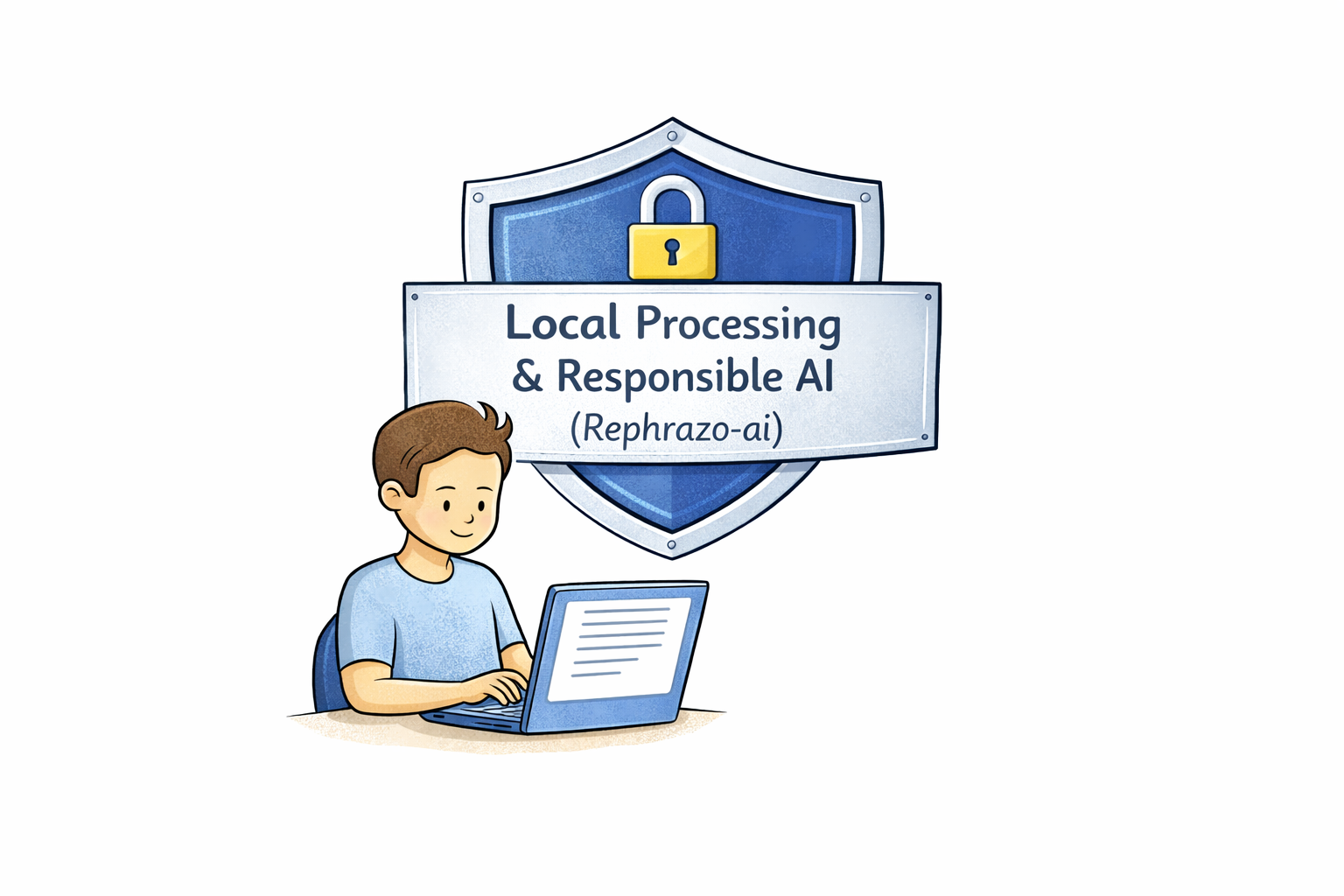
Image 2: The Ethical Source Integration Funnel. A step-by-step workflow for transforming external information into original, properly attributed academic work, with AI as a responsible assistant.
Leveraging AI Responsibly: Rephrazo-ai as Your Integrity Partner
In the modern academic landscape, AI tools are becoming increasingly sophisticated. When used responsibly, they can be powerful allies in your quest to avoid plagiarism and enhance originality. Rephrazo is designed precisely for this purpose, acting as an Integrity Partner that supports ethical writing practices.
Breaking the "Patchwriting" Habit with AI-Assisted Rewriting
One of the most common forms of accidental plagiarism is patchwriting. Rephrazo directly addresses this by providing instant, structurally distinct alternatives to selected text. Instead of struggling to rephrase a sentence manually and inadvertently staying too close to the original, you can use Rephrazo to generate fresh linguistic structures. This allows you to focus on verifying that the meaning is preserved and that the source is properly cited, rather than wrestling with the mechanics of sentence construction. It facilitates the "Look Away" method by giving you a genuinely new starting point for your paraphrase, enhancing your Expertise in linguistic transformation.
Protecting Your Process: The Privacy Advantage of Local AI
Many cloud-based AI tools and plagiarism checkers require you to upload your drafts to their servers. This can expose your sensitive academic work to data breaches or even lead to your text being used to train their AI models, compromising your intellectual property. Rephrazo's commitment to local desktop processing eliminates this risk entirely. Your text is processed on your device, ensuring your drafts remain confidential and secure. This privacy-first approach builds Trustworthiness into the very architecture of your writing process, allowing you to use AI with complete peace of mind.
Image 3: The Academic Integrity Shield. Rephrazo's local processing and responsible AI features empower you to write with confidence, protecting your work and reputation from accidental plagiarism and data exposure.
Frequently Asked Questions (FAQ)
Addressing common concerns is vital for establishing Trustworthiness.
Q: Can a plagiarism checker detect AI-rewritten text?
A: Modern plagiarism checkers are sophisticated. However, if you use Rephrazo responsibly—to generate linguistically distinct paraphrases of ideas you understand and properly cite—the resulting text will be unique and should not be flagged as plagiarized. The key is that the AI assists your process; it doesn't replace your intellectual contribution.
Q: Is it okay to use AI to help me paraphrase?
A: Yes, when used ethically. AI can be a valuable tool to help you generate alternative phrasings, especially if you're struggling to move away from the original source's language. The critical step is always to review the AI's output, ensure it accurately reflects the source's meaning, and provide proper attribution. Learn more about plagiarism legality and rewriting without plagiarism.
Q: How does Rephrazo-ai protect my privacy while I'm writing?
A: Rephrazo operates entirely on your local desktop. Your text is processed on your computer and never uploaded to external servers. This ensures that your sensitive academic drafts remain private and secure, eliminating concerns about data exposure or your work being used for external AI training.
Q: What's the difference between patchwriting and proper paraphrasing?
A: Patchwriting involves changing only a few words while keeping the original sentence structure, which is still considered plagiarism. Proper paraphrasing requires restating the idea in your own words and sentence structure while maintaining the original meaning. The "Look Away" method and tools like Rephrazo can help you achieve true paraphrasing. Learn more about essay rewriting techniques.
Conclusion
Learning how to not plagiarize is about more than just avoiding punishment; it's about becoming a responsible and ethical scholar. By mastering the core skills of source integration—quoting, paraphrasing, and summarizing—you are learning how to participate in the academic conversation. It is a skill that will serve you not only in your studies but in any professional field that values clear and honest communication.
With a systematic approach and the right tools to support you, you can navigate the complexities of using sources with confidence and integrity. Remember: the goal is not to avoid detection, but to engage with sources ethically and contribute your own original ideas to the conversation. Rephrazo can help you achieve this by making the process of ethical paraphrasing faster and more seamless, while protecting your privacy and intellectual property.
Ready to master how to not plagiarize? Download Rephrazo free and experience how proper paraphrasing tools can help you maintain academic integrity while working efficiently. Explore more sentence rewriter tools and learn about ChatGPT rewriter alternatives.